☀Divyakaal
Shri Kanakadhara Stotram – 22 Shlokas
🕉️ Stotra & Stuti

Shri Kanakadhara Stotram – 22 Shlokas with Meaning

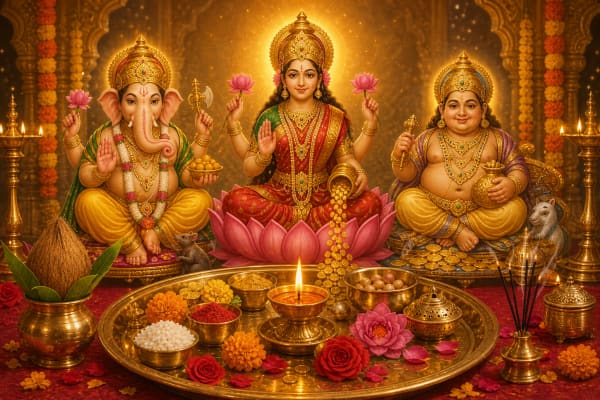
Shri Kanakadhara Stotram is a Sanskrit hymn to the compassion and auspicious grace of Goddess Mahalakshmi, traditionally attributed to Adi Shankaracharya. The devotee seeks relief from hardship and prays for well-being, virtue and abundance. This page presents a traditional expanded sequence of 22 verses.

Text source: श्री कनकधारा स्तोत्रम् — शाङ्कर स्तोत्र-संग्रह परंपरा (प्रचलित २२-श्लोकी पाठ)
❁

Shri Kanakadhara Stotram – 22 Shlokas

अङ्गं हरेः पुलकभूषणमाश्रयन्ती भृङ्गाङ्गनेव मुकुलाभरणं तमालम् । अङ्गीकृताखिलविभूतिरपाङ्गलीला माङ्गल्यदास्तु मम मङ्गलदेवतायाः ॥ १ ॥

मुग्धा मुहुर्विदधती वदने मुरारेः प्रेमत्रपाप्रणिहितानि गतागतानि । माला दृशोर्मधुकरीव महोत्पले या सा मे श्रियं दिशतु सागरसम्भवायाः ॥ २ ॥

आमीलिताक्षमधिगम्य मुदा मुकुन्दम्- आनन्दकन्दमनिमेषमनङ्गतन्त्रम् । आकेकरस्थितकनीनिकपक्ष्मनेत्रं भूत्यै भवेन्मम भुजङ्गशयाङ्गनायाः ॥ ३ ॥

बाह्वन्तरे मधुजितः श्रितकौस्तुभे या हारावलीव हरिनीलमयी विभाति । कामप्रदा भगवतोऽपि कटाक्षमाला कल्याणमावहतु मे कमलालयायाः ॥ ४ ॥

कालाम्बुदालिललितोरसि कैटभारेः धाराधरे स्फुरति या तटिदङ्गनेव । मातुस्समस्तजगतां महनीयमूर्तिः भद्राणि मे दिशतु भार्गवनन्दनायाः ॥ ५ ॥

प्राप्तं पदं प्रथमतः खलु यत्प्रभावात् माङ्गल्यभाजि मधुमाथिनि मन्मथेन । मय्यापतेत्तदिह मन्थरमीक्षणार्धं मन्दालसं च मकरालयकन्यकायाः ॥ ६ ॥

विश्वामरेन्द्रपदविभ्रमदानदक्षं आनन्दहेतुरधिकं मुरविद्विषोऽपि । ईषन्निषीदतु मयि क्षणमीक्षणार्थं इन्दीवरोदरसहोदरमिन्दिरायाः ॥ ७ ॥

इष्टा विशिष्टमतयोऽपि यया दयार्द्र दृष्ट्या त्रिविष्टपपदं सुलभं लभन्ते । दृष्टिः प्रहृष्ट कमलोदरदीप्तिरिष्टां पुष्टिं कृषीष्ट मम पुष्करविष्टरायाः ॥ ८ ॥

दद्याद्दयानुपवनो द्रविणाम्बुधारा- मस्मिन्न किञ्चन विहङ्गशिशौ विषण्णे । दुष्कर्मघर्ममपनीय चिराय दूरं नारायणप्रणयिनीनयनाम्बुवाहः ॥ ९ ॥

गीर्देवतेति गरुडध्वजसुन्दरीति शाकम्भरीति शशिशेखरवल्लभेति । सृष्टिस्थितिप्रलयकेलिषु संस्थितायै तस्यै नमस्त्रिभुवनैकगुरोस्तरुण्यै ॥ १० ॥

श्रुत्यै नमोऽस्तु शुभकर्मफलप्रसूत्यै रत्यै नमोऽस्तु रमणीयगुणार्णवायै । शक्त्यै नमोऽस्तु शतपत्रनिकेतनायै पुष्ट्यै नमोऽस्तु पुरुषोत्तमवल्लभायै ॥ ११ ॥

नमोऽस्तु नालीकनिभाननायै नमोऽस्तु दुग्धोदधिजन्मभूम्यै । नमोऽस्तु सोमामृतसोदरायै नमोऽस्तु नारायणवल्लभायै ॥ १२ ॥

नमोऽस्तु हेमाम्बुजपीठिकायै नमोऽस्तु भूमण्डलनायिकायै । नमोऽस्तु देवादिदयापरायै नमोऽस्तु शार्ङ्गायुधवल्लभायै ॥ १३ ॥

नमोऽस्तु देव्यै भृगुनन्दनायै नमोऽस्तु विष्णोरुरसिस्थितायै । नमोऽस्तु लक्ष्म्यै कमलालयायै नमोऽस्तु दामोदरवल्लभायै ॥ १४ ॥

नमोऽस्तु कान्त्यै कमलेक्षणायै नमोऽस्तु भूत्यै भुवनप्रसूत्यै । नमोऽस्तु देवादिभिरर्चितायै नमोऽस्तु नन्दात्मजवल्लभायै ॥ १५ ॥

सम्पत्कराणि सकलेन्द्रियनन्दनानि साम्राज्यदानविभवानि सरोरुहाक्षि । त्वद्वन्दनानि दुरितोद्धरणोद्यतानि मामेव मातरनिशं कलयन्तु नान्ये ॥ १६ ॥

यत्कटाक्षसमुपासनाविधिः सेवकस्य सकलार्थसम्पदः । सन्तनोति वचनाङ्गमानसैः त्वां मुरारिहृदयेश्वरीं भजे ॥ १७ ॥

सरसिजनिलये सरोजहस्ते धवलतमांशुकगन्धमाल्यशोभे । भगवति हरिवल्लभे मनोज्ञे त्रिभुवनभूतिकरि प्रसीद मह्यम् ॥ १८ ॥

दिग्घस्तिभिः कनककुम्भमुखावसृष्ट स्वर्वाहिनी विमलचारुजलप्लुताङ्गीम् । प्रातर्नमामि जगतां जननीमशेष लोकाधिनाथगृहिणीममृताब्धिपुत्रीम् ॥ १९ ॥

कमले कमलाक्षवल्लभे त्वं करुणापूरतरङ्गितैरपाङ्गैः । अवलोकय मामकिञ्चनानां प्रथमं पात्रमकृत्रिमं दयायाः ॥ २० ॥

देवि प्रसीद जगदीश्वरि लोकमातः कल्याणदात्रि कमलेक्षणजीवनाथे । दारिद्र्यभीतिहृदयं शरणागतं माम् आलोकय प्रतिदिनं सदयैरपाङ्गैः ॥ २१ ॥

स्तुवन्ति ये स्तुतिभिरमूभिरन्वहं त्रयीमयीं त्रिभुवनमातरं रमाम् । गुणाधिका गुरुतरभाग्यभागिनो भवन्ति ते भुवि बुधभाविताशयाः ॥ २२ ॥

|| इति श्रीमच्छङ्कराचार्यकृत श्री कनकधारास्तोत्रं संपूर्णम् ॥

॥ iti ॥

Text: श्री कनकधारा स्तोत्रम् — शाङ्कर स्तोत्र-संग्रह परंपरा (प्रचलित २२-श्लोकी पाठ)
Shri Kanakadhara Stotram – 22 Shlokas — Meaning

The opening verses celebrate Lakshmi’s loving glance through images of bees, lotuses, sapphire garlands and lightning in a rain cloud. Her presence adorns Vishnu’s breast, and even a moment of her compassionate attention is sought as a source of blessing. The poet compares the distressed supplicant to a vulnerable nestling and asks for a shower of mercy to relieve suffering.

The middle verses bow to the Goddess as learning, strength, nourishment and the mother of the universe. She is remembered as lotus-eyed, born of the ocean of milk, beloved of Narayana and daughter of Bhrigu. Golden lotuses, her place upon Vishnu’s breast and the beauty of her form express her glory. The devotee seeks to make reverence a constant practice of speech, body and mind.

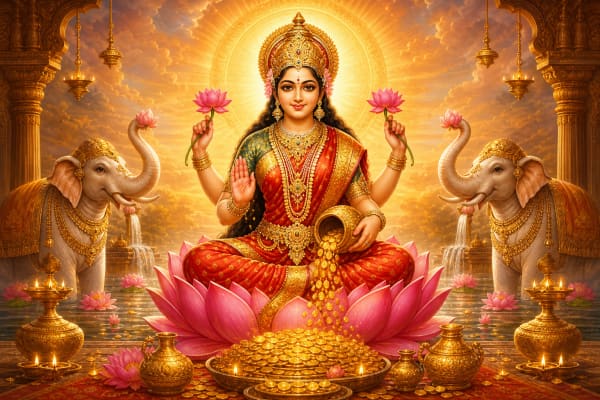
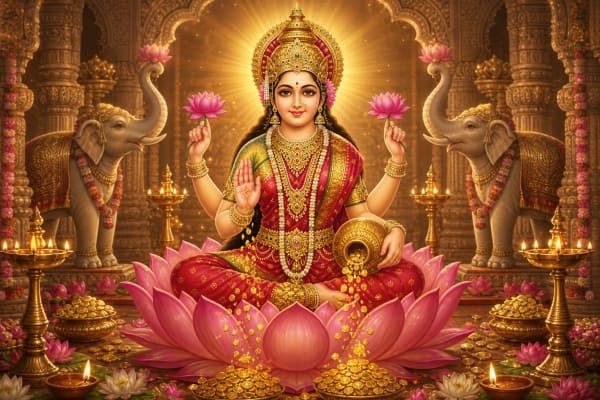
The closing portion contemplates the lotus-seated Goddess, the lotuses in her hands and her ceremonial bathing by elephants with golden vessels. In humility the devotee asks for her merciful glance. The included prayer verse asks the Mother of the world to look kindly upon the seeker each day. The concluding verse praises the virtue, good fortune and refined disposition of those who offer these hymns daily. Material well-being is woven together with compassion, humility and surrender.

Adi Shankaracharya and the Traditional Story

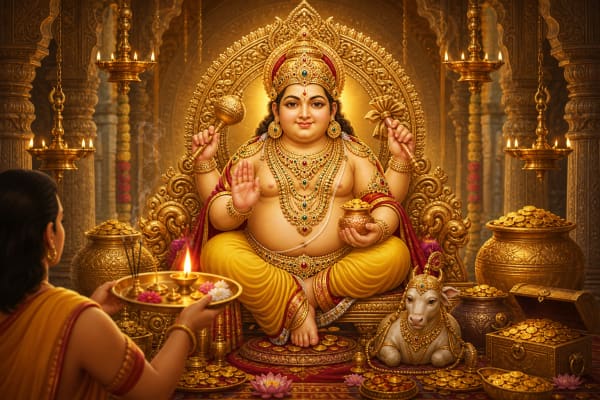
According to the traditional account, the young renunciant Shankaracharya received a single amla fruit from a poor woman who wished to offer alms despite her hardship. Moved by her generosity, he praised Lakshmi. The story tells of a shower of golden amla fruits through the Goddess’s grace. It highlights selfless giving and compassion.

The 22-Verse Sequence on This Page

Collections differ in verse count and order. This page follows a traditional expanded sequence of 22 verses, placing the prayer beginning Devi prasida at verse 21 and the concluding verse beginning Stuvanti ye at verse 22. Some collections identify the prayer as an additional verse.

A Simple Recitation Method

Prepare a clean worship space and remember Lakshmi and Vishnu. Light a lamp and offer flowers and naivedya according to your means. Recite slowly with attention to pronunciation and meaning. Conclude with a prayer for wisdom, contentment, integrity and well-being, followed by aarti and prasad.

When to Recite

Include the hymn in daily morning or evening Lakshmi worship. Fridays, Diwali Lakshmi Puja, Kojagari Purnima and Akshaya Tritiya are also customary occasions. Let worship inspire generosity, hospitality and care for those in need.

Frequently asked questions

Who composed Kanakadhara Stotram?

It is traditionally attributed to Adi Shankaracharya and is dedicated to Goddess Mahalakshmi.

How many verses are included here?

This page contains 22 verses. The prayer beginning Devi prasida is verse 21, followed by the concluding verse beginning Stuvanti ye. Verse counts and ordering vary across collections.

What does Kanakadhara mean?

Kanaka means gold and dhara means a stream or shower. The name recalls the traditional account of golden amla fruits and the generosity of Lakshmi’s grace.

Can the hymn be recited daily?

Yes. Include it in regular Lakshmi worship, reciting calmly and attentively with reflection on its meaning.

What is its central prayer?

The devotee seeks Lakshmi’s compassionate glance, relief from hardship, well-being and virtue, approaching her in humility and surrender.

Remember Mahalakshmi’s compassion and nurture faith, contentment and generosity in daily life.