☀Divyakaal
Deepawali Lakshmi Pooja Ki Samagri
🧺 Puja Samagri Checklist

Diwali Lakshmi Puja Samagri: A Complete Home Checklist

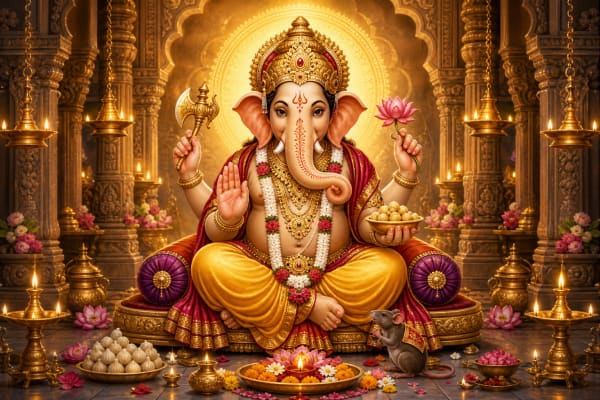
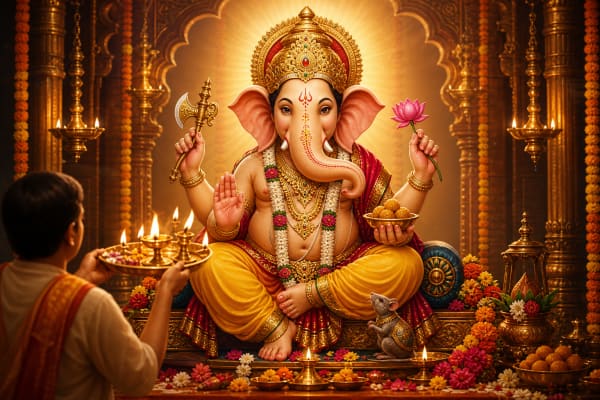
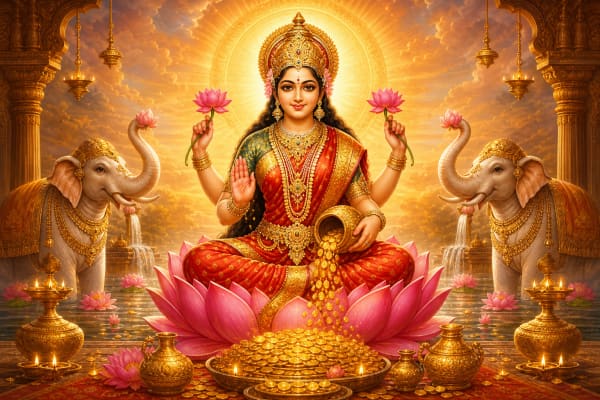
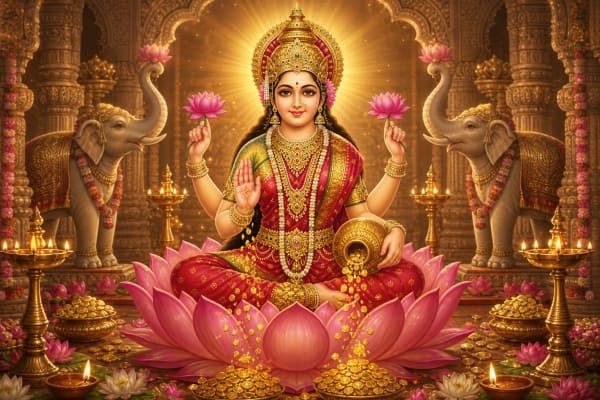
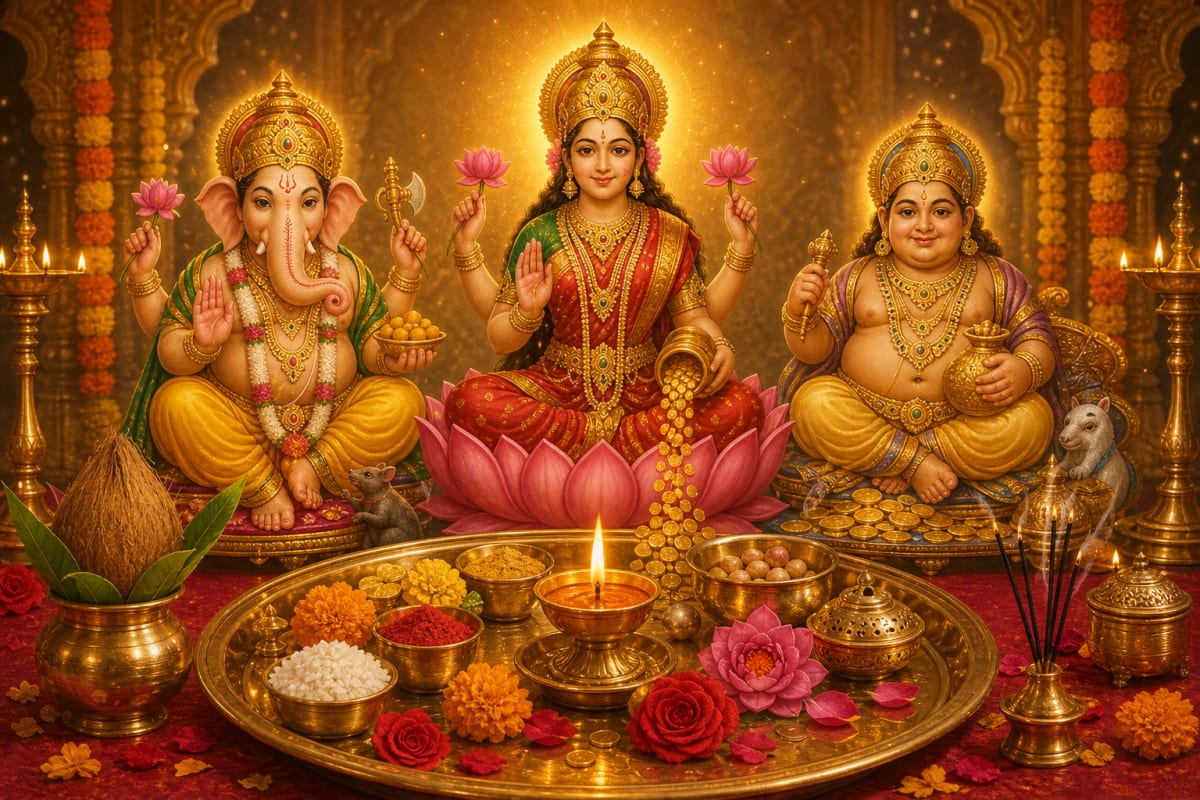
Diwali Lakshmi Puja samagri is easier to arrange when you gather everything before the celebrations begin. This checklist brings together the essentials for worshipping Lord Ganesha, Goddess Lakshmi and Kubera, from the altar and kalash to flowers, offerings and lamps. Use the groups below to prepare calmly, adapting your arrangements to your family tradition, available supplies and worship space.

❁

Deepawali Lakshmi Pooja Ki Samagri

१. प्रतिमा और स्थापना सामग्री

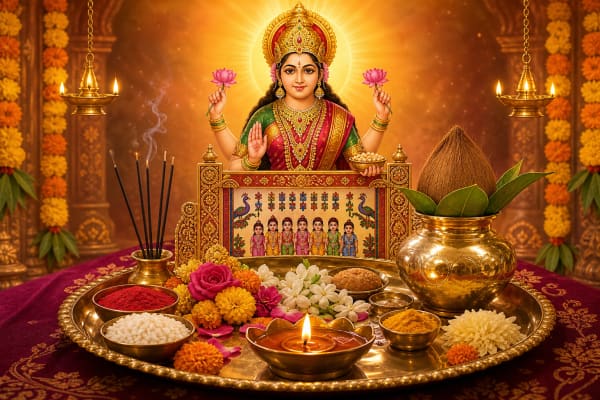
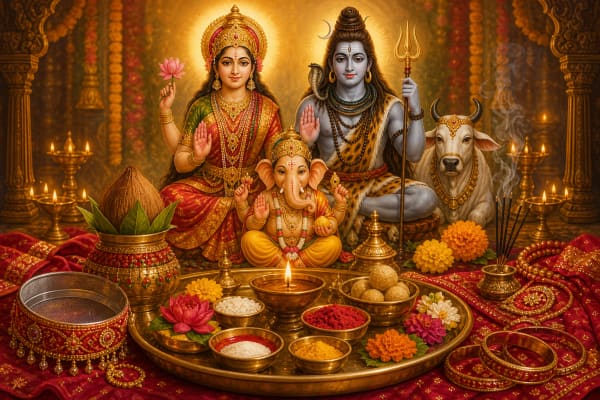
* भगवान गणेश और माता लक्ष्मी की मूर्ति या चित्र (या एक चांदी का सिक्का जिस पर उनका चित्र हो) * चौकी (लकड़ का पाटा या चौकी) * लाल या पीला वस्त्र (चौकी पर बिछाने के लिए) * थोड़ा सा कच्चा चावल (अक्षत) (कलश और आसन के लिए)

२. पूजन और अभिषेक सामग्री

* कलश (तांबे या मिट्टी का) * गंगाजल या शुद्ध जल * आम या अशोक के पत्ते (कलश के लिए) * नारियल (पानी वाला, उस पर लाल कपड़ा लपेट कर रखें) * पंचामृत (दूध, दही, घी, शहद और शक्कर का मिश्रण) * शुद्ध घी (दीपक के लिए) * तिल (काले और सफेद) और जौं

३. शृंगार और वस्त्र सामग्री

* माता लक्ष्मी के लिए लाल या गुलाबी वस्त्र / चुनरी * मौली (लावा) और जनेऊ * रोली, चंदन (लाल और पीला), हल्दी और अबीर-गुलाल * इत्र (सुगंध) * कमल गट्टे की माला या रुद्राक्ष माला * शृंगार का सामान (चूड़ियां, बिंदी, सिंदूर, काजल आदि)

४. पुष्प और नैवेद्य / भोग

* ताजे फूल और फूलों की माला (विशेषकर कमल का फूल अगर मिल सके, या गेंदे के फूल) * दूर्वा घास (गणेश जी के लिए) * पान के पत्ते और सुपारी * लौंग, इलायची और बताशे * मिठाई (खास तौर पर बेसन के लड्डू, बर्फी या खीर) * फल (अनार, केला, सेब आदि मौसमी फल) * खील-बताशे

५. दीपक और आरती सामग्री

* बड़े मिट्टी के दीये (कम से कम ११ या २१, और एक बड़ा मुख्य दीपक) * छोटे दीये (घर के कोने-कोने में जलाने के लिए) * रुई (कॉटन विक्स) और मौली की बत्ती * अगरबत्ती और धूप बत्ती * कपूर (कैंफर) आरती के लिए * घंटी और शंख
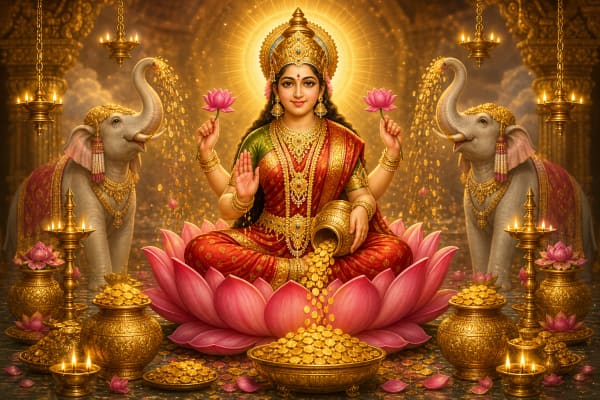
॥ iti ॥
🧺

Puja samagri checklist

0/32 ready

Images and Altar Setup4

Kalash and Worship Essentials6

Clothing and Adornment7

Flowers and Food Offerings8

Lamps, Incense and Aarti Accessories7

Prepare Your Supplies the Day Before

Clean the altar area and platform a day ahead, then sort supplies into small trays or containers. Check earthen lamps for cracks and prepare the wicks. Choose fresh fruit, flowers and durva wherever possible, and store sweets and panchamrit ingredients appropriately. Consider the material of your idol before arranging water offerings or ritual bathing: framed pictures and painted idols need different care. Follow your family or sampradaya practice when preparing the kalash, sacred thread and adornments. For this year's date and muhurat, see the DivyaKaal Diwali festival page.

Choose Simple, Affordable and Eco-Friendly Alternatives

Make use of a clean platform, metal vessels, bell and cloth already available at home. A cherished image of Ganesha and Lakshmi can serve for worship in place of a newly purchased idol. If lotus flowers are unavailable, choose fresh local flowers and a small garland rather than elaborate decorations. Prepare one homemade sweet and a modest quantity of seasonal fruit so the prasad can be shared easily. Reusable cloth, earthenware and metal are practical alternatives to plastic decorations and disposable dishes. Devotees associate cleanliness, contentment and sincere offerings with the auspicious spirit of Lakshmi Puja.

Care for Puja Materials Respectfully Afterwards

Share edible prasad with family and guests while maintaining food hygiene. Keep milk- and curd-based offerings at an appropriate temperature and use them promptly. Separate flowers, durva and plain leaves from threads or decorations before composting them. Water without food or chemical residues may be offered to the soil around suitable plants. Clean and store cloth, malas, coins and worship vessels for future use. Collect camphor ash, coloured powders and non-biodegradable items separately. Choose respectful disposal through local waste arrangements and family custom rather than placing used materials in rivers or ponds.

Frequently asked questions

What are the main items needed for Diwali Lakshmi Puja at home?

Begin with images or idols of Ganesha and Lakshmi, a platform, clean cloth, rice, water, roli, flowers, durva, a lamp, ghee, wicks and food offerings. Add a kalash, panchamrit, clothing and adornments according to your family practice. Sorting these into groups makes preparation easier.

Is a lotus flower necessary for Lakshmi Puja?

The lotus is closely associated with Goddess Lakshmi and is cherished as an offering. Depending on availability, devotees also offer marigolds or other fresh local flowers. Choose clean flowers in good condition; preferences vary across regions and family traditions.

How many diyas should I keep for Diwali Lakshmi Puja?

Alongside one main lamp, some families arrange 11 or 21 diyas. The number varies with household custom and available space. Place lamps on stable, fire-resistant surfaces, away from curtains, clothing and children's reach, and keep them attended while burning.

What is panchamrit made of, and how should it be offered?

Panchamrit combines milk, curd, ghee, honey and sugar. Prepare a small quantity close to worship. Use it for ritual bathing only with a suitable idol and according to your practice. For a picture or delicately painted idol, you can offer it in a separate vessel.

What materials are used for Kubera worship on Diwali?

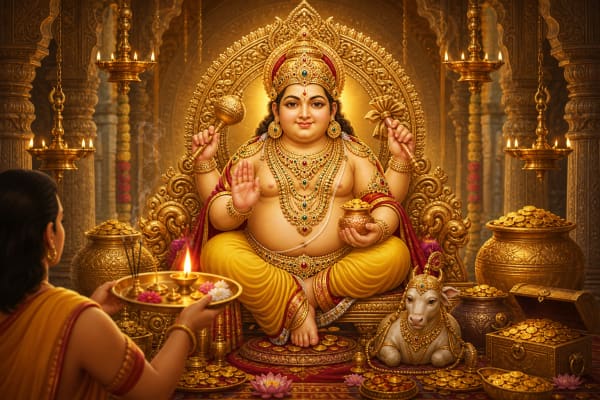
If your family observes Kubera Puja, keep his image or the symbol customary in your household, along with flowers, rice, roli and food offerings. Some families also honour coins placed for worship. Remembering Kubera is associated with thoughtful stewardship and the responsible use of prosperity.

Worship Lord Ganesha, Goddess Lakshmi and Kubera with a clean space, simple offerings and heartfelt devotion.